Crypto scams and how to stay safe from digital thieves

Crypto scams stole over 12 billion dollars from regular people last year alone. Your digital wallet is a target for thieves who use clever tricks to take your money. Learning to spot these traps is the only way to keep your coins safe.
A crypto scam is a trick where someone lies to get you to send them your digital money or give up your private keys. Unlike a bank, there is no manager to call if your money disappears. Once you send a crypto payment, it is gone forever. This article shows you the most common tricks and gives you a simple plan to protect your savings.
Why are crypto scams so common right now?
Thieves love crypto because the transactions cannot be reversed. If you buy a fake pair of shoes with a credit card, you can often get your money back. With Bitcoin, there is no "undo" button. Scammers also like that they can stay hidden behind computer screens across the world.
Many new people are joining the world of digital money every day. These beginners often feel like they are missing out on big profits. Scammers use this "fear of missing out" to make people act fast without thinking. They create a sense of hurry that stops you from seeing the red flags.
Think of it like a digital wild west. There are plenty of good opportunities, but there are also people waiting to take what is yours. You are your own bank here. That means you have all the power, but you also have all the responsibility to watch the door.
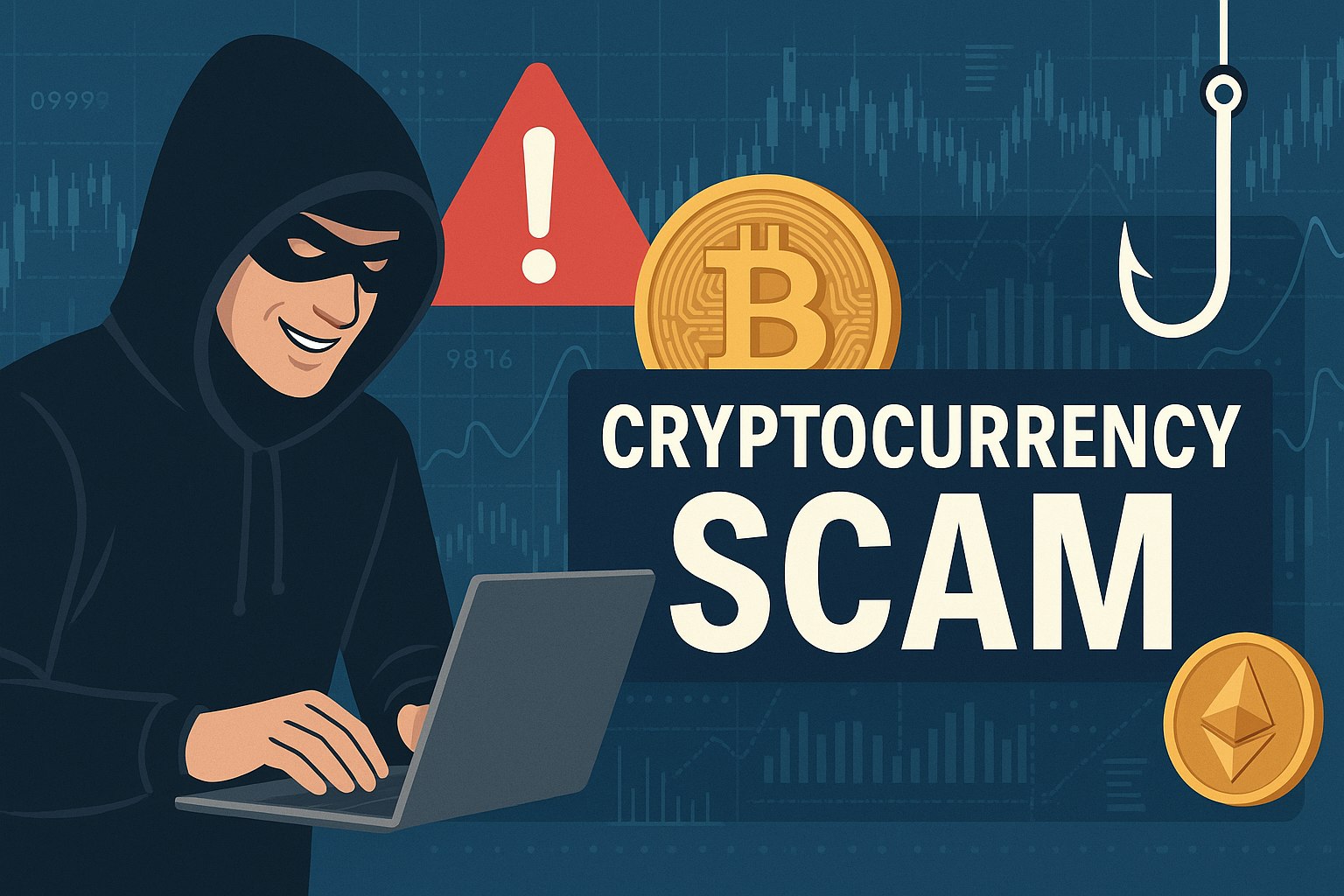
The fake investment promise
The most common trick is the fake investment website. You might see an ad on social media showing a person with a fast car and a big house. They say they found a secret way to make 10% profit every single day. If that sounds too good to be true, it always is.
These sites look very professional. They have charts, live price feeds, and fake reviews from happy customers. You might even put in 100 dollars and see it "grow" to 150 dollars on the screen the next day. This is just a trick to make you send more money. When you try to take your money out, the site asks for a "tax fee" or simply stops working.
Real investing takes time and carries risk. Nobody can promise you a specific return every day. If a stranger on the internet tells you they can double your money, they are lying. It is better to learn what is Bitcoin and how does it work for beginners before you trust any site with your cash.
Watch out for the romance scam
Some scammers spend weeks or months talking to you before they ask for money. This is often called "pig butchering" because they "fatten up" the victim with trust before stealing everything. They might find you on a dating app or send a "wrong number" text to start a chat.
They act like your friend or a romantic partner. They talk about their life, their job, and eventually, how they make money with crypto. They offer to teach you how to do it too. Because you like them, you trust them. This is how they lead you to a fake trading app they control.
Never take financial advice from someone you have never met in person. Even if they send you photos or talk on the phone, they could be part of a criminal group. Real friends do not pressure you to join secret investment schemes. If the conversation turns to money quickly, it is time to walk away.
How to spot a fake crypto exchange
Scammers often build entire websites that look exactly like famous apps. They might name their site something like "Coin-Base-Security" or "Binance-Support-Live." They want you to type in your username and password so they can log into your real account.
Always check the web address at the top of your browser. One wrong letter means you are on a fake site. A common trick is using a zero instead of the letter "O". If you are unsure, do not click links in emails. Type the address of the exchange yourself or use a bookmark you made earlier.
You can learn more about how the industry works by reading about cryptocurrency on trusted sites. Knowing the basics helps you see when a site is asking for things it should not need. A real exchange will never ask for your private recovery phrase or your master password over an email.
The danger of fake giveaways
You might see a live video on YouTube or a post on X that looks like it is from a famous person. They might use a video of a famous tech leader and say they are giving away Bitcoin. They ask you to "send 0.1 BTC to verify your wallet" and promise to send 0.2 BTC back.
This is a classic trap. No famous person is giving away free money to strangers. If you send your coins to that address, they are gone. These videos often have thousands of fake viewers and fake comments to make them look real. They use the name of famous people to make you feel safe.
Think about it logically. Why would a billionaire need you to send them money first? They would not. Any "send money to get money" offer is a scam every single time. Just report the video and close the tab. Your coins are safer in your own wallet than in a "giveaway" pot.
Protecting your private keys and seed phrases
Your seed phrase is a list of 12 or 24 words that acts as the master key to your money. Anyone who has these words can take every cent you own. No real company will ever ask you for these words. Not a support agent, not an exchange, and not a wallet maker.
Scammers use "phishing" to get these words. They might send an email saying your account is locked and you need to "verify your wallet" by typing in your phrase. Once you hit enter, your wallet is emptied in seconds. I once saw a person lose their entire life savings because they typed their phrase into a fake "update" window.
Write your seed phrase on paper and hide it. Never take a photo of it and never save it in a notes app on your phone. If your phone or computer gets hacked, the thief will find that photo. Treat these words like the keys to a physical safe in your house. You would not hand those keys to a stranger on the street, right?
How can I stay safe while exploring crypto?
Staying safe does not mean you have to be afraid of everything. It just means you need to be careful and move slowly. Most people lose money because they rush into things they do not understand. You should always do your own research before clicking a link or sending a payment.
Use two-factor authentication (2FA) on all your accounts. Use an app like Google Authenticator rather than text messages. Text messages can be intercepted by hackers through "SIM swapping." An app on your phone is much harder for a thief to reach. This simple step stops many attacks before they start.
Check out our guide for more crypto basics to help you understand how to move money safely. The more you know, the harder it is for a scammer to trick you. Knowledge is the best shield you have in this new digital world.
What to do if you have been scammed
If you think you have been scammed, the first thing to do is stop sending money. Scammers will often tell you that you just need to pay one more "fee" to get your money back. This is a lie. They are trying to take even more before you realize what is happening.
Next, move any remaining money to a new wallet with a new seed phrase. Your old wallet is now compromised. You should also change your passwords for your email and any banking apps you use. Report the scam to your local police and the platform where the scammer found you.
Be careful of "recovery experts" who message you saying they can get your money back for a fee. These are usually the same scammers or a second group of thieves. Once crypto is sent on the blockchain, it cannot be pulled back by anyone. People who say they can do it are just trying to scam you a second time.
Getting scammed feels terrible, and it can happen to very smart people. Do not let shame stop you from telling others or seeking help. By sharing your story, you might stop a friend from making the same mistake. The best thing you can do now is learn and protect what you have left.
Your simple safety checklist
To keep your digital money safe, follow these rules every single day. Never share your seed phrase with anyone. Never send money to someone who promises to double it. Always check the URL of the website you are using. If someone contacts you out of the blue about crypto, ignore them.
Wait 24 hours before making any big move with your money. Scammers rely on making you feel rushed. If you wait a day, the excitement fades and you can see the red flags more clearly. Talk to a trusted friend who knows about tech before you try a new app or site.
The crypto world is full of new things to learn and try. It can be fun and useful if you keep your guard up. Just remember that if something feels off, it probably is. Trust your gut and keep your keys private. What is the one thing you will do today to make your digital wallet more secure?


टिप्पणियाँ
एक टिप्पणी भेजें